Shadow Wall
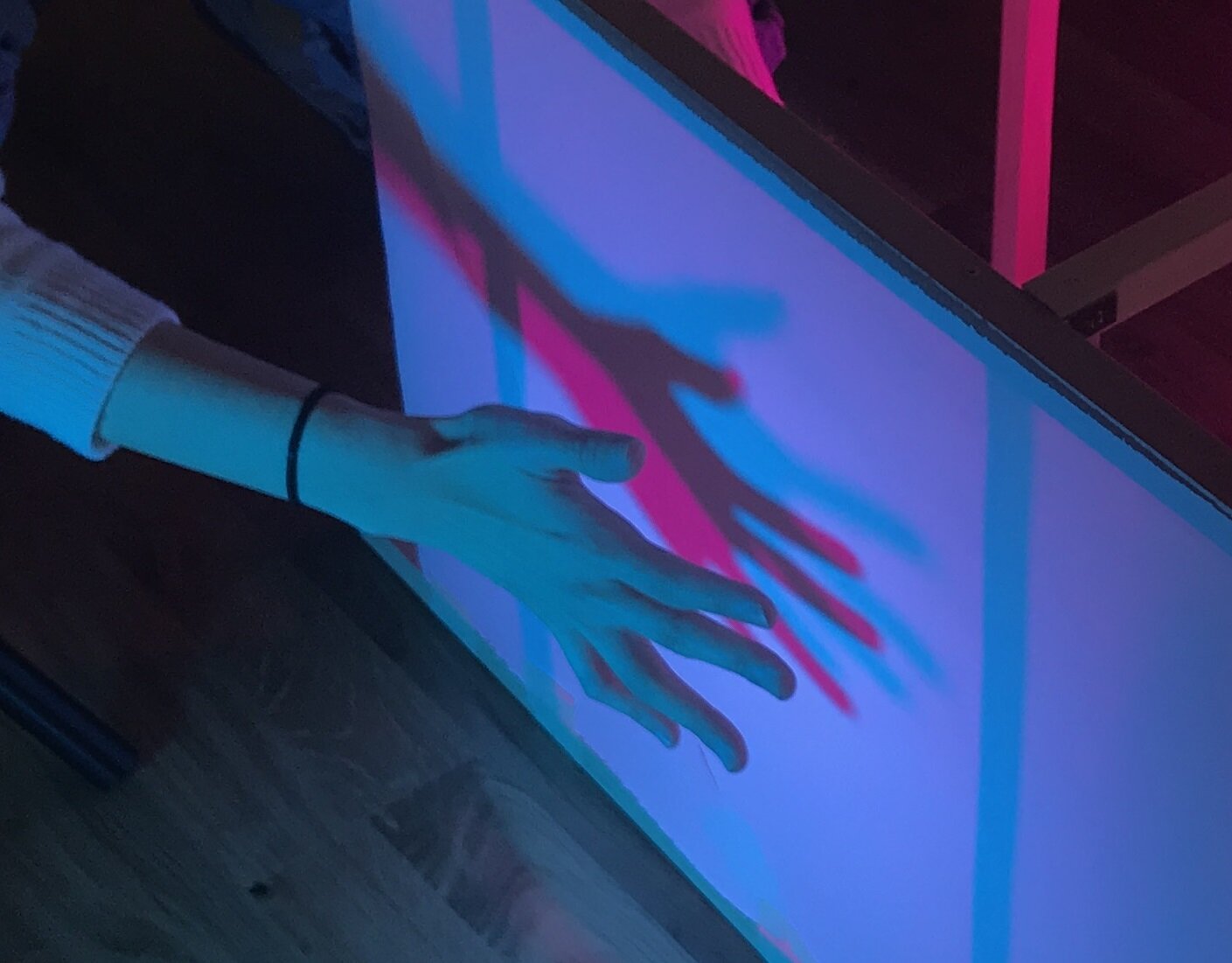
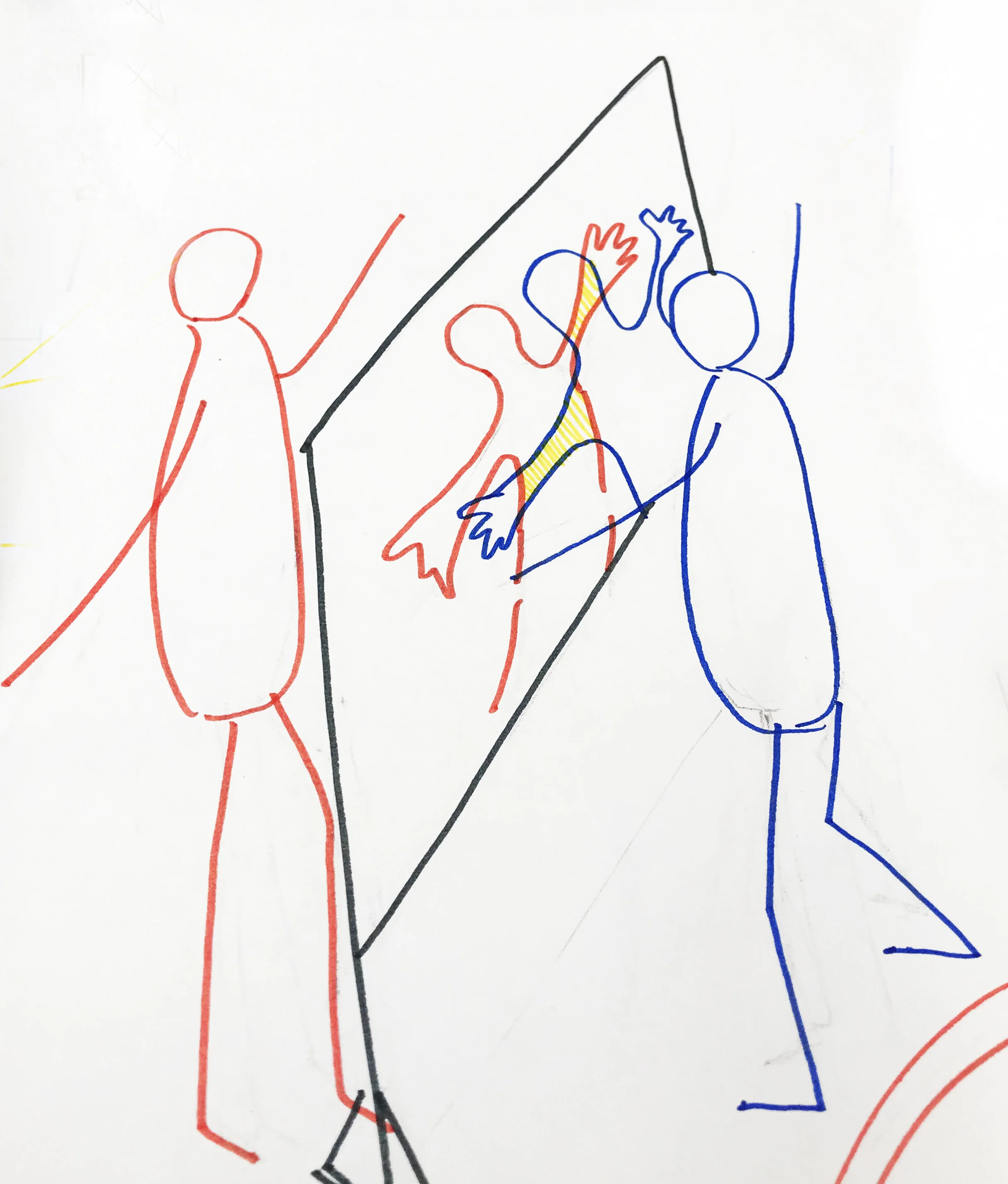
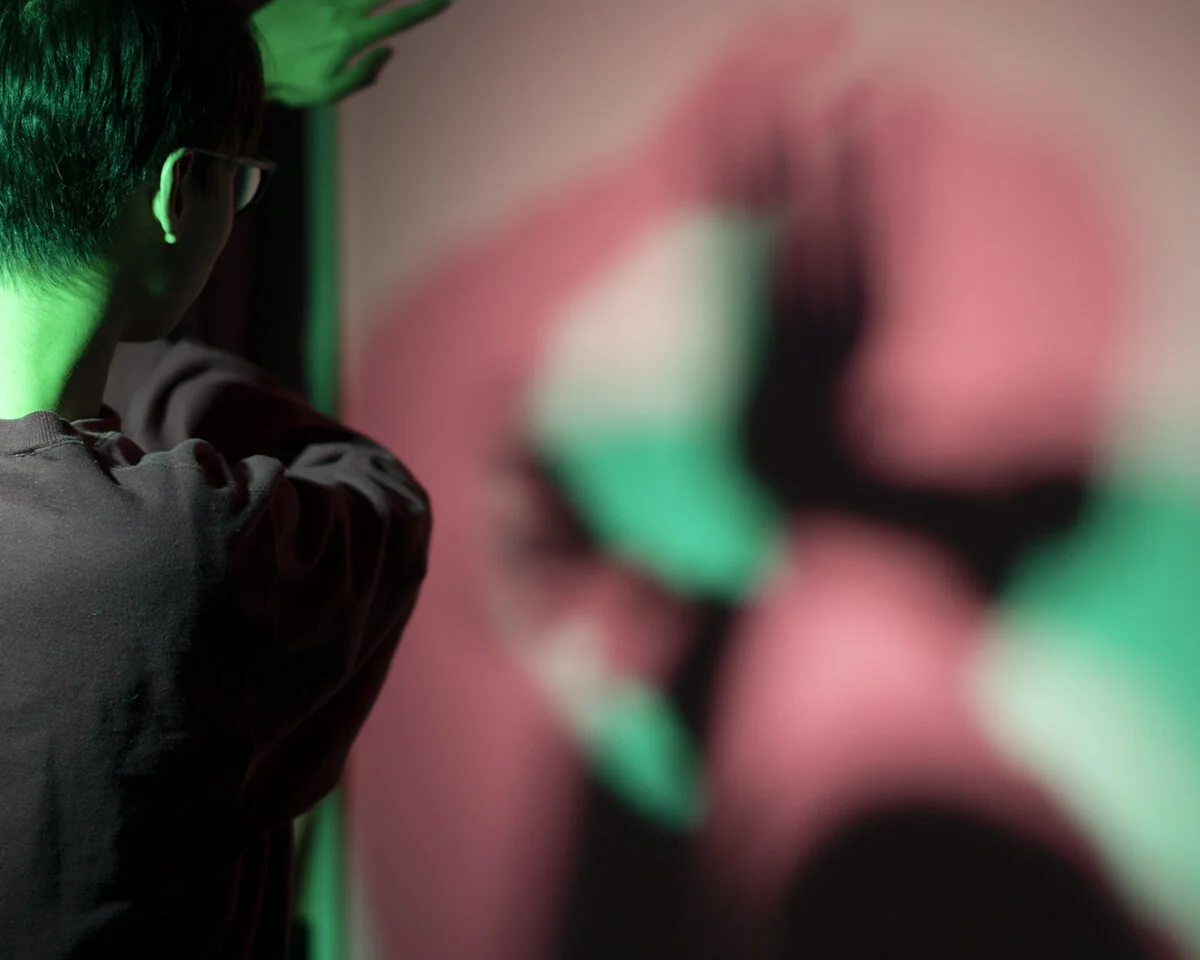
Shadows are an interesting medium that show a projection of yourself in real-time with 0 latency. They follow your exact movements and are always present near you as long as there is light. They can also be projected in different colors, layered with other shadows, cast long or short, etc.. There are a myriad of ways of manipulating this curious medium. For this project we wanted to explore ways of using shadows of two people to create music.
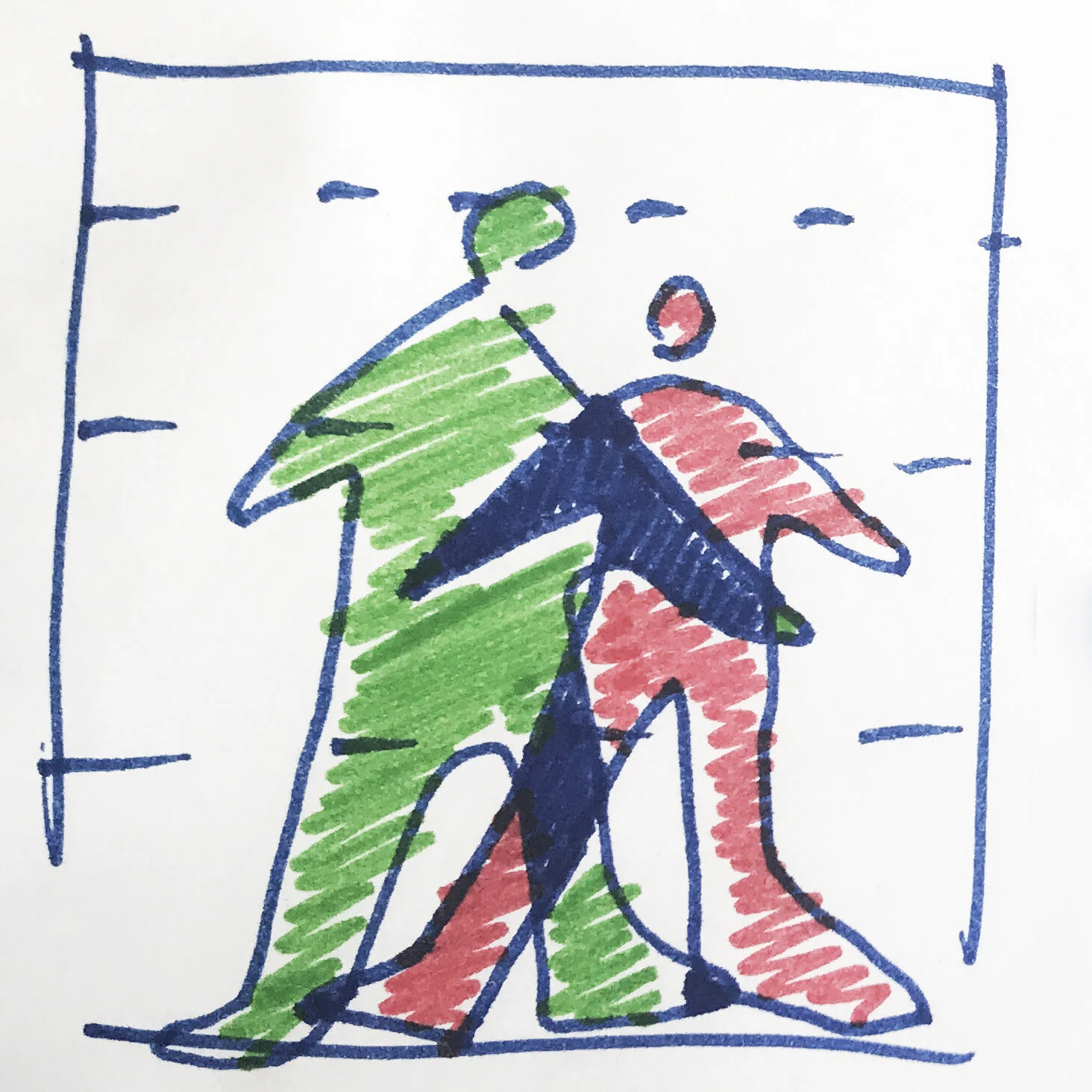
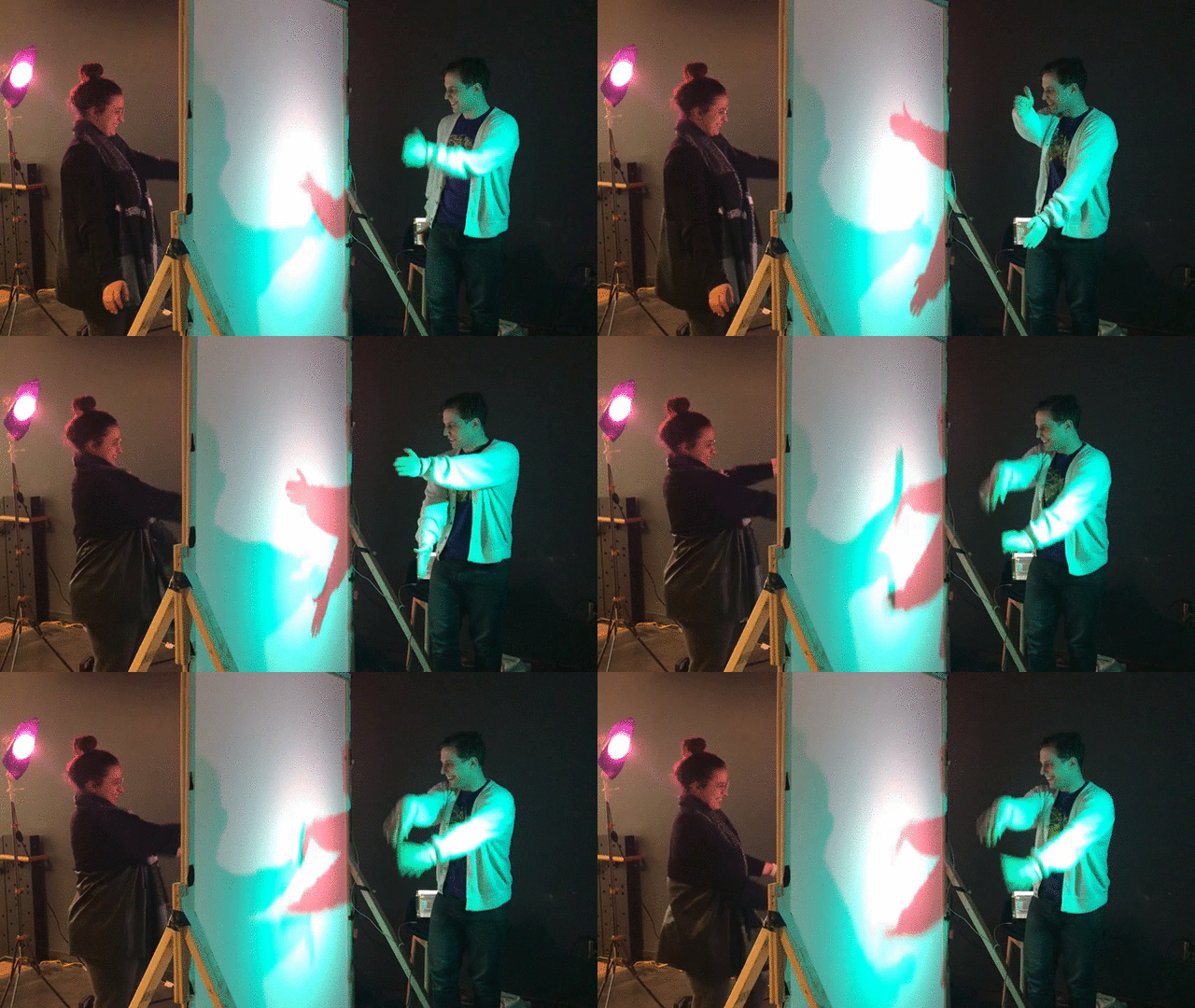
The idea manifested as a two-way shadow screen where one could see a shadow of themselves as well as the shadow of the other person on the opposing side. When the shadows overlapped, there would be a musical response. How big the overlapping shadow are and where it is located would control the texture and feel of the music. This piece is comprised of a full scale projection screen, webcam that captures the shadows, p5.js code that checks the RGB values of the pixels, two spotlights of different colors place on either side of the screen
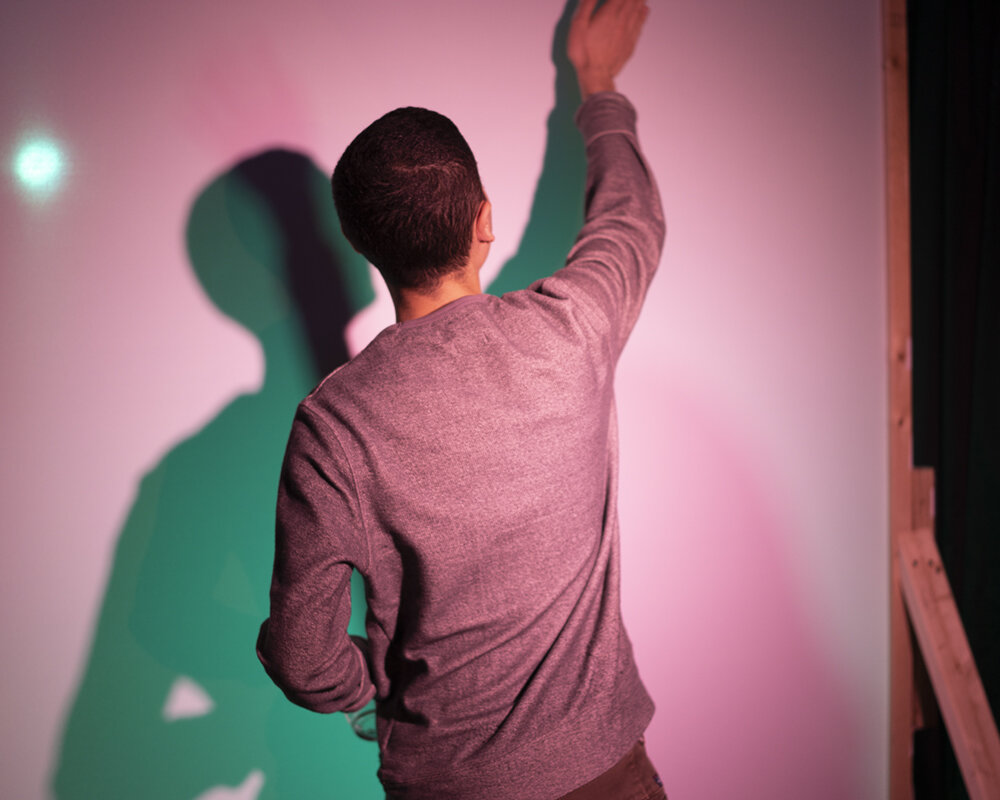
The setup:
a webcam was pointed at the screen to capture the resulting image of the two shadows. Because the two shadows are red and blue, the overlap regions of the two shadows would be dark grey. The code was written to check every pixel in the webcam feed for its RGB values and for the specific value that is dark grey to know that there is an intersection, how big it is and where it is.
The musical output:
music only plays when two people are on either side of the screen and their shadows overlap. Depending on the region of the screen that two shadows overlap and the size of overlap, an ambient sound would be manipulated with different effects.